At a Glance
- Tesla key card pair: $40 from the Tesla Shop (two cards plus a wallet, checked November 2026).
- Tesla Model S key fob: $175 from the Tesla Shop; the Model 3/Y fob is sold separately.
- Typical smart-key fob, locksmith: $250–$550 all-in; dealer: $400–$900+ (2026 secondary guide).
- All keys lost: roughly $300–$500 mobile, or $500–$900 plus a tow at a dealer.
- Cheapest fix of all: a CR2032 fob battery, about $3–$5, before you pay for anything else.
- Phone key: free on Tesla and Rivian, but not a spare — a dead phone leaves you with nothing.
In Short
Replacing an EV key fob usually costs $250–$550 through a locksmith or $400–$900+ through a dealer, but Tesla and Rivian owners often pay far less: a Tesla key-card pair is $40 from the Tesla Shop and pairs in the car in minutes. The expensive case is losing every key, which can add a tow and a dealer visit. Check the fob battery and your spare first, then get quotes from both a locksmith and a dealer.
It happens on the worst possible day: the fob is not in yesterday’s jacket, the phone is at 2%, and the car refuses to wake up. With a petrol car, this usually ends at a locksmith with a moderate bill. With an EV, the ending depends entirely on which kind of key your car uses — and the gap between cheapest and most expensive is several hundred dollars.
“EV key” does not mean one thing. Some EVs still use the same smart fob as a petrol car, with a chip paired to the car’s security module. Others have moved the key into your phone, with a plastic card as backup. A few ship without a fob at all. Each system fails differently, and each is replaced through a different door.
Three Kinds of EV Key, Three Different Bills
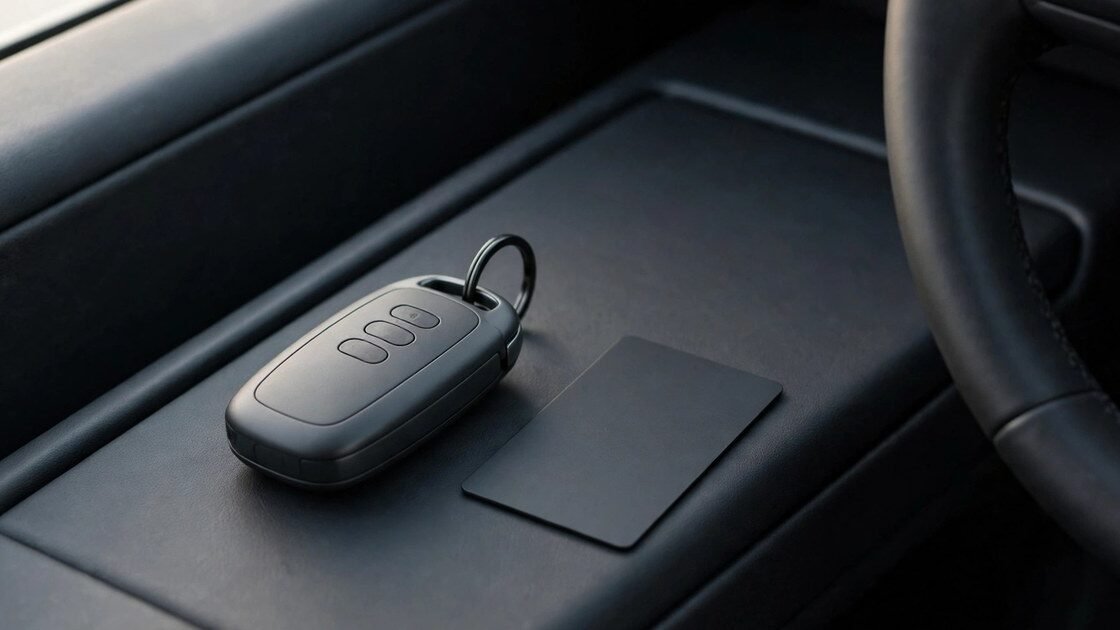
The smart fob. The familiar push-to-start fob used by most Hyundai, Kia, Ford, Chevrolet, and Volkswagen EVs. Inside is a chip paired to the car’s security module; the buttons are only half the job. Replacing one means buying a blank matched to your car’s part number and programming the chip with dealer or locksmith equipment — and that programming step is where the money goes.
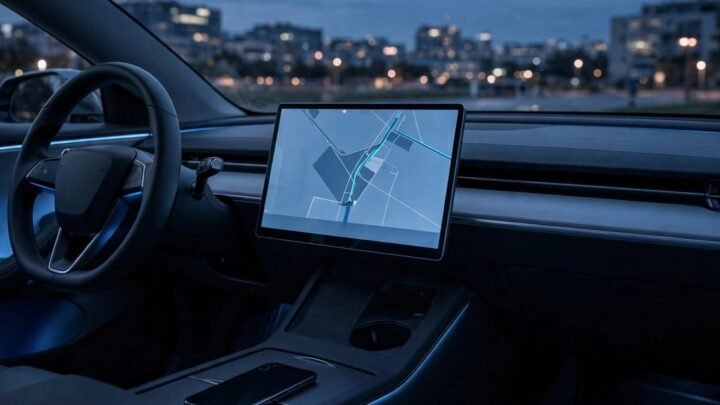
The phone key plus card. Tesla’s system, and Rivian’s, treats your phone as the main key over Bluetooth. The backup is an NFC card — a credit-card-sized piece of plastic with no battery — tapped on the door pillar to unlock and on the console to drive. Tesla’s Model Y manual says a car can hold up to 19 keys, requires at least one authenticated card or fob to remain at all times, and pairs a new card only with a key that is already paired (touchscreen Controls > Locks > Keys > Add Key, or the owner’s app).
The fob as an optional extra. Rivian’s refreshed Gen 2 R1T and R1S ship with a key card and phone access only; the fob is a separate $250 purchase, a surprise for buyers who assumed one was in the box.
The point: a Tesla or Rivian card is a commodity you pair yourself. A smart fob is a small computer that must be introduced to your car by someone with the right software. One costs tens of dollars, the other hundreds. Neither is a rip-off; they are different jobs.
What a Replacement Costs, by Brand
Prices below are US figures checked in November 2026 unless labelled otherwise; treat every range as a planning figure, not a quote.
| Car and key type | Replacement cost | How it is paired |
|---|---|---|
| Tesla key card (pair of two, with wallet) | $40, Tesla Shop | Yourself, with an existing paired key |
| Tesla Model S key fob (2021+ cars) | $175, Tesla Shop | Yourself, via Controls > Locks > Keys |
| Tesla Model 3/Y key fob | About $175–$200 (secondary guides) | Yourself, via Controls > Locks > Keys |
| Rivian key card | About $70–$80, owner-reported | By Rivian service |
| Rivian Gen 2 key fob | $250 (secondary review) | Via Rivian service |
| Kia EV6 smart fob (CQOFN01050) | About $380 locksmith (secondary specialist site) | Locksmith on site, or dealer |
| Hyundai smart fob (SY5IGFGE04) | About $240 dealer; about $360 locksmith (secondary specialist site) | Dealer or locksmith |
Two flags in that table. Older guides still quote $35 for the Tesla cards, but the Tesla Shop listing checked for this article shows $40 for the pair — trust the shop page, since Tesla changes accessory prices without announcement. And the Hyundai figures run against the usual pattern, with the locksmith quote higher than the dealer’s: get both quotes for your exact part number before deciding who is cheaper.
For other EVs, 2026 secondary guides agree on the shape: a full smart-key replacement runs $250–$550 through a locksmith and $400–$900+ through a dealer, basic remote fobs $100–$200, push-to-start smart keys $200–$500+, with locksmiths typically 40–60% cheaper than dealers.
Dealer, Locksmith, or a Blank Bought Online?
| Route | Typical total | When it wins |
|---|---|---|
| Dealer | $400–$900+ for a smart fob; programming alone $150–$400, sometimes over $500 luxury | Newest models, locked-down security, lease terms requiring the dealer |
| Mobile locksmith | $250–$550 for a smart fob; programming fees $100–$250 | Most everyday replacements; comes to the car, so no tow |
| Blank fob online, then programmed locally | Blank about $50–$200 (Kia EV6 blank about $135), plus programming | When a locksmith will program a fob you supply — confirm first |
The dealer offers certainty — factory parts and software, a technician who has done your exact model — at the highest price, with waiting time and a tow in the all-keys-lost case. The locksmith offers a mobile van, same-day service, and no tow, but possibly no software access for the newest locked-down models. The online-blank route looks cheapest and most often disappoints: a blank must match your car’s FCC ID and part number exactly, some locksmiths will not program a fob they did not supply, and a used fob is usually a dead end, since most married chips cannot be wiped and remarried.
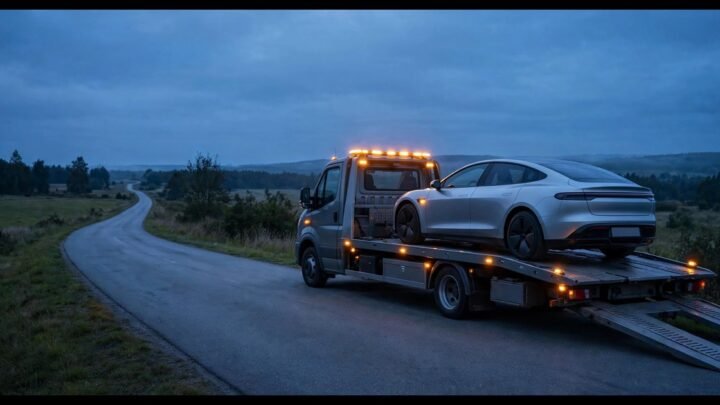
One more cost hides in EV towing costs: if every key is gone and the car must go to the dealer, the tow joins the key bill — about $160 for 20 miles by our calculation in that guide. A mobile locksmith erases that line entirely.
The All-Keys-Lost Trap
Losing one key is an errand; losing the last key is a project. With a working key, a copy is a straightforward clone-and-program job. With no working key, the technician must generate a key from the car itself — reading security data through the diagnostic port, wiping lost keys, and registering the new one. That takes longer, needs deeper software access, and costs more everywhere.
Secondary guides put the all-keys-lost case at roughly $300–$500 through a mobile locksmith for domestic models, and $500–$900 plus a tow at a dealer; European luxury models run roughly $500–$1,000 mobile and $1,100–$2,200 at a dealer. Those are planning ranges from a 2025 locksmith guide, not quotes. The cheapest insurance against the trap is free: get a spare made while you still have a working key.
For Tesla owners the trap is smaller but real: lose phone and both cards together and you cannot pair a new card yourself, since pairing needs an already-paired key — then it is a service appointment, not a shop order. Keep one card at home or with a trusted person. Lease drivers should also check whether their contract requires dealer replacement before calling a locksmith.
Try the $5 Fix First
Many “dead fob” calls end with a battery: a CR2032 coin cell costing about $3–$5, with Tesla saying its fob battery lasts up to about a year. The fob usually warns first — shorter range, missed unlocks — but owners assume it is broken.
Work through this order before spending anything: change the battery first (pry the fob open at its seam, fit a fresh CR2032); then try the spare — if the spare works, the fault is in the original fob, but if neither works, the fault is probably in the car, and a dead 12V battery is the usual suspect. Next, ask about re-pairing before replacing, which sometimes costs a programming fee only. Finally, check the phone key: a Tesla or Rivian phone that lost Bluetooth pairing looks exactly like a broken key.
Key Replacement Cost Estimator
Enter your own numbers — defaults are examples, not quotes.
The formula: total equals (hardware plus programming) multiplied by the number of keys, plus the tow if the car must go to the dealer. The tow figure is an example only — a 20-mile flatbed tow at about $160, from our own towing guide — and the defaults are examples, not quotes. The number that matters most is the number of keys: a second key made during the same visit is far cheaper than a second emergency visit later.
What to Do, in Order, When a Key Is Lost
First, delete the lost key. On a Tesla, that is Controls > Locks, the trash icon, confirmed with an authenticated key; the manual requires at least one card or fob to remain. On other EVs, a dealer or locksmith can wipe the lost fob during programming. Do not skip this: a lost fob that still works is a key to your car in someone else's pocket.
Second, get two quotes with the same words: exact model and year, fob part number if you have it, and whether you have a working key. A quote for "a Kia fob" is not a quote; a quote for a 2023 EV6 smart fob with one working key is. Ask whether the dealer has the fob in stock — a three-day wait with no car changes the value of the cheaper option. Meanwhile, confirm the phone key works and a card lives somewhere safe; many smart-fob cars offer no phone backup at all.
Finally, a car that cannot start because its 12V battery died looks identical to a lost-key problem, and a jump starter for an EV's 12V battery costs less than one locksmith visit. Out of warranty, every dealer visit also carries the same labour-rate logic as any other out-of-warranty repair.
Buying a Used EV? Audit Its Keys
Count the keys at handover. Two working keys is normal; one is a $250–$550 bill you have not paid yet, and it should be reflected in the price you offer. Ask the seller to demonstrate every key, card, and phone key, and whether any lost key was ever deleted. For a Tesla, check the touchscreen key list before paying — keys named after strangers mean the previous owner never cleaned up, so delete them while the seller is still there. For other EVs, a dealer can read the registered key count for a small fee.
Questions EV Owners Actually Ask
How much does it cost to replace an EV key fob?
Typically $250–$550 through a locksmith or $400–$900+ through a dealer for a smart fob. Tesla key cards are the exception at $40 a pair from the Tesla Shop, and Rivian cards run about $70–$80 through service.
Can a locksmith replace an EV key fob, or must I go to the dealer?
A locksmith can replace most EV smart fobs, often on site and usually cheaper than the dealer. Exceptions: the newest locked-down models, Tesla cards and fobs (owners pair these themselves), and lease cars whose contract requires the dealer.
What if I lose every key to my EV?
Expect to pay more and wait longer: roughly $300–$500 mobile or $500–$900 plus a tow at a dealer. With no working key, the new key must be generated from the car itself. Tesla owners who lose phone and cards together need a service appointment.
Is a phone key a real replacement for a spare fob?
Only partly: a phone key is free and convenient, but it dies with the phone's battery. Keep a physical card or fob as the true spare, stored away from the car.
The Takeaway
An EV key is either a $40 card you pair yourself or a $250–$900 computer that needs a professional — and knowing which one you own before you lose it is worth more than any quote after. Buy the spare while you still have a working key, delete a lost key the same day, try the $3 battery before the $300 fob, and get locksmith and dealer quotes side by side for your exact part number. The owners who pay most are the ones who discover the price at midnight, with no spare and a tow truck on the way.
Written by Shurah Beel, who researches and writes independently on the real cost of EV ownership — charging, maintenance, and total cost of ownership — backed by primary data and original calculations rather than recycled lists.
External sources: Tesla Shop key card, Tesla Shop Model S key fob, Tesla Model Y owner's manual, Keys, 2026 locksmith key replacement guide, key fob replacement cost guide.